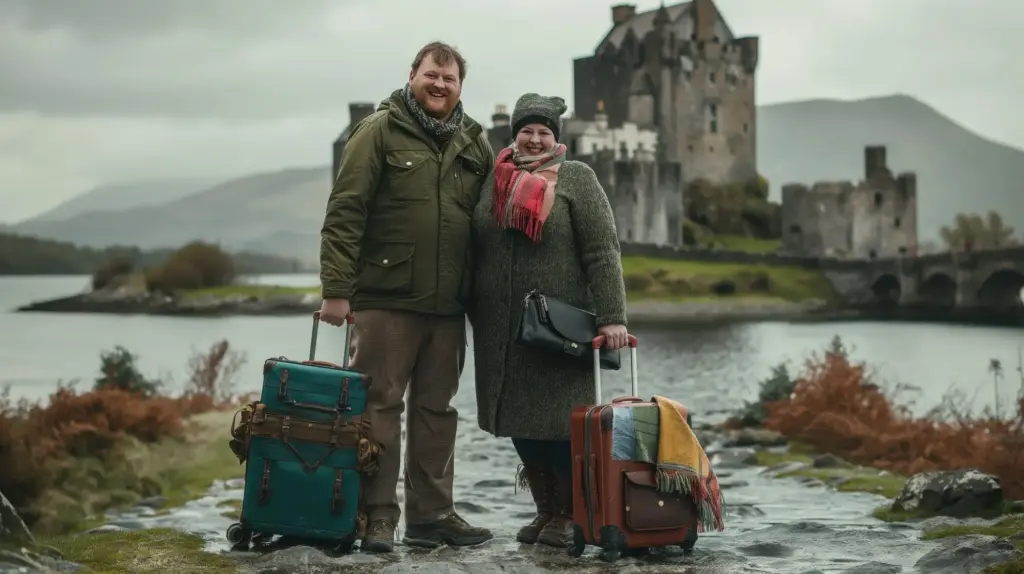
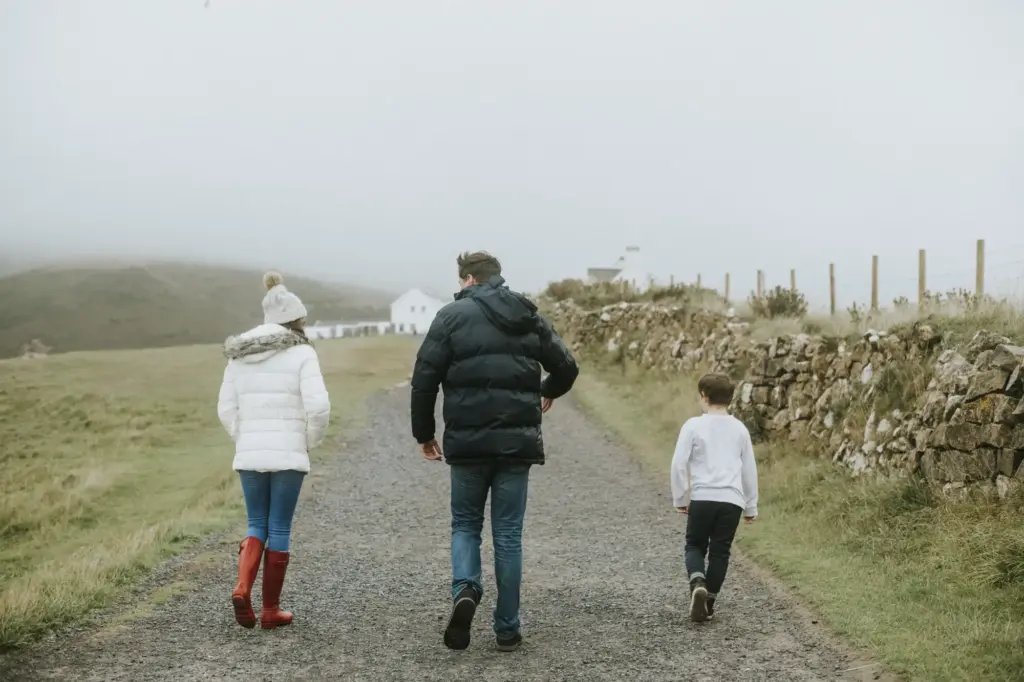
From Rails to Trails: Walking Scotland’s Forgotten Lines

Lace up and follow historic railways reborn as heritage footpaths across Scotland, where sleepers once rang beneath steam and now echo with footsteps, birdsong, and wind. We will explore bridges of iron and stone, quiet platforms wrapped in heather, and villages shaped by timetables long gone. Along the way, discover stories of industry, community, whisky, and wilderness, and share your memories or tips to help fellow walkers plan meaningful journeys.

Tracks That Became Pathways

Many of Scotland’s disused lines have transformed into graceful corridors for walkers and cyclists, linking coast to glen through engineering that refuses to fade. These routes slip past river bends, beneath stately birches, over airy viaducts, and through stations reborn as cafés and museums. Step onto packed gravel or cinder and you step into layered histories that still guide movement, commerce, and curiosity, inviting you to wander forward while looking back.

Bridges and Viaducts

From the Spey Viaduct near Garmouth, a wrought-iron beauty now welcoming walkers, to humble culverts quietly ferrying burns, these crossings turn effort into poetry. Stand midspan and feel the design disperse weight and worry, carrying you over floodplain and tide. Share which parapet views moved you most, and suggest respectful photo spots where wildlife thrives, ensuring admiration never disturbs nesting birds or fragile lichens thriving on time-polished masonry.

Tunnels and Cuttings

In places like the Colinton Tunnel on the Water of Leith, murals now bloom where smoke once billowed, and echoing footsteps replace steam hammers. Cuttings cradle cool air, ferns, and shy wrens, while sandstone faces display chisel marks from crews racing contracts and weather. Carry a torch, mind the surface after rain, and send fellow walkers updates on artwork, maintenance, and detours, so every journey remains welcoming, accessible, and safe.

Routes for Every Pace

These corridors welcome pram-pushers and peak-baggers alike, offering flat, well-drained miles or rolling gradients that test legs pleasantly. Waymarking is friendly, surfaces forgiving, and scenery democratic, granting big views without precarious scrambles. Better yet, many lines offer frequent access points, so you can tailor distance, loop with canals or coastal trails, and finish by a bakery or bus stop. Share your favorite start-ends, gradient surprises, and quiet weekday windows.

Stories Carried By The Line

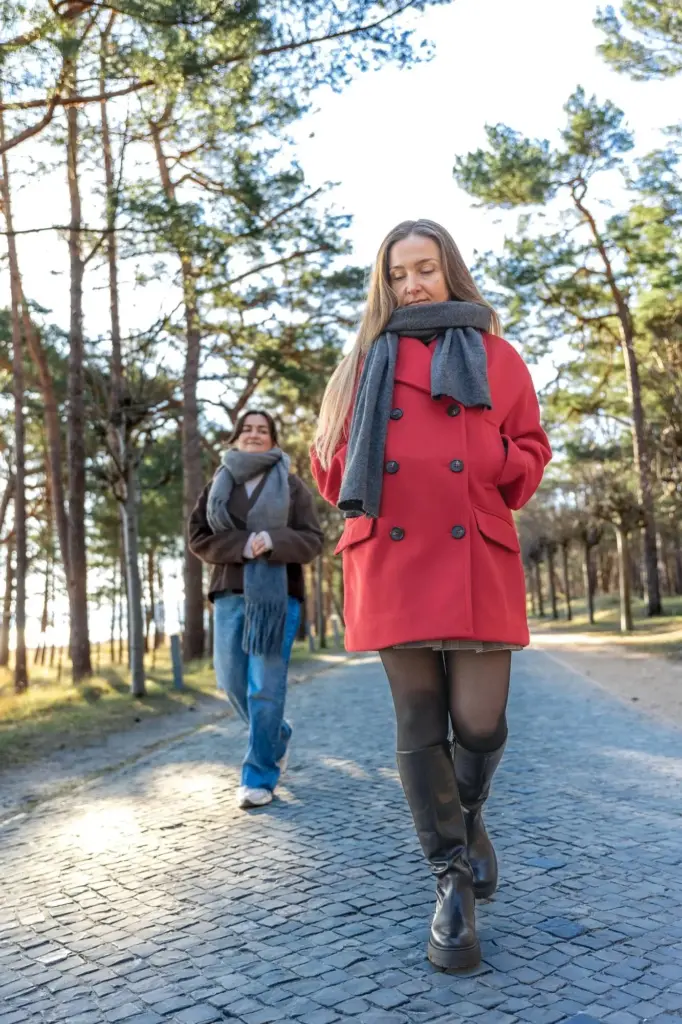
Every mile contains human cargo: laughter of schoolchildren, quiet nods of fishmongers, worry during storms, relief after safe arrivals. Walking returns weight to those memories, letting you hear bootbeat where steel once sang. Old photographs on interpretation boards meet present footsteps, closing distances between eras. Gather oral histories, compare them with station logs, and post reflections that honor labor, ingenuity, and the ordinary lives that animated yesterday’s timetables.

Seasons, Safety, and Practical Joys

Winter Light and Hidden Ice

Low sun glows through larch and smoke-blue air, but black ice hides where cuttings trap cold. Microspikes, trekking poles, and spare gloves earn their keep. Keep margins for early dusk and frosty stiles. Update others about shaded corners, closed sections, and reroutes after storms, because shared knowledge prevents slips and wasted miles. Celebrate winter’s silence, photograph hoar-frosted railside grasses, and remember a flask can turn shivers into companionable pauses.

Spring and Wildlife Etiquette

In lambing fields, close gates gently; where curlews nest, keep to the path and leash excitable dogs. Wildflowers colonize ballast, bumblebees buzz along gorse, and otters sometimes ripple under old bridge arches. Practice leave-no-trace, avoid drone buzz near roosts, and report invasive growth tactfully. Share bloom calendars, bird sightings, and respectful vantage points, guiding newcomers toward attentive joy that strengthens stewardship instead of swapping one disturbance for another.

Maps, Trains, and Buses

Linear routes shine when public transport closes the loop. Combine local buses or nearby ScotRail stops with Ordnance Survey maps and an offline app, pinning exits, shelters, and cafés. Photograph noticeboards in case signals vanish, and stash coins for rural fares. Afterward, post dependable connections, last-service warnings, and real-world timings. Your logistics wisdom transforms inspiring lines on a screen into effortless, sustainable days powered by footsteps and shared infrastructure.

Savouring Villages Along The Way

Railways shaped high streets, and those high streets now nourish walkers. Step from gravel to bakery tiles, sip tea beneath railway prints, browse museum cases of tickets and timetables, and speak with owners whose grandparents once met every arrival. Pair miles with short cultural detours, then tell us which towns welcome muddy boots kindly. By sharing respectful customs and can’t-miss stops, you help routes support the communities that kept them alive.